
What Is Soil Testing in Construction? A Complete Guide
When starting a construction project, one of the most important steps is soil testing. Before a single brick is laid, engineers and builders must understand the ground beneath the structure. Soil testing ensures the soil can handle the weight of a building and provides critical data for safe, cost-effective, and long-lasting projects.
Here, we’ll explain what soil testing is, why it’s important, the different methods used, and how it impacts residential, commercial, and civil construction.
What Is Soil Testing in Construction?
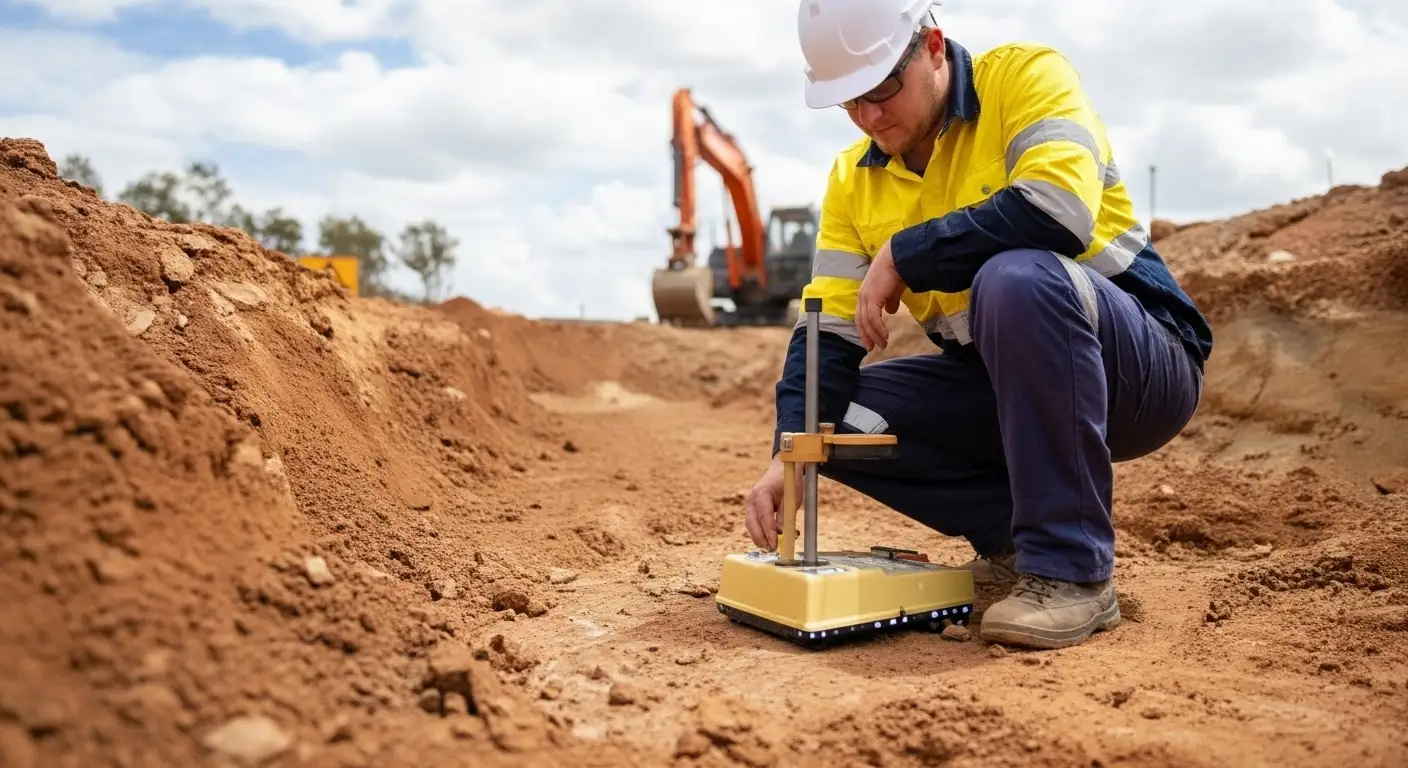
Soil testing in construction is the process of analyzing soil to determine its strength, moisture content, density, and ability to support a structure. It helps identify whether the soil can bear heavy loads or if it needs treatment before construction begins.
For example, sandy soil may need extra support, while clay soil might expand and contract with moisture changes. By testing early, construction professionals reduce risks and avoid costly problems later.
Why Is Soil Testing Important?
oil testing is not just a technical formality—it’s a foundation for safety, efficiency, and smart budgeting.
1. Ensures Structural Safety
Soil with weak bearing capacity can cause cracks, settlement, or even collapse. Testing prevents these risks by identifying the right foundation type.
2. Helps in Cost Estimation
Accurate soil data allows for better planning of materials and foundation design. For instance, our team at Paramount Estimation provides precise calculations for residential construction estimating and commercial construction estimating that include soil conditions.
3. Prevents Future Damage
Waterlogging, erosion, or soil movement can cause long-term damage. Soil tests highlight these risks so builders can apply solutions early.
4. Supports Legal and Code Compliance
Most local authorities require soil testing before granting approvals for large projects. This ensures the structure follows building codes and environmental safety standards.
Types of Soil Testing in Construction
Different projects require different soil tests. Here are the most common ones:
1. Moisture Content Test
This measures the amount of water in the soil. Excess moisture can weaken soil strength, making it unsafe for heavy structures.
2. Atterberg Limits Test
This test shows how soil behaves with different moisture levels—whether it’s solid, semi-solid, or liquid. It’s very useful for clay-rich soils.
3. Proctor’s Compaction Test
This test checks how much the soil can be compacted to achieve maximum strength and stability. It’s commonly used in road and civil works.
4. Permeability Test
This identifies how easily water passes through soil. Highly permeable soils may require extra drainage solutions.
5. Plate Load Test
Used for larger structures, this test determines the soil’s bearing capacity and helps in designing foundations.
6. Specific Gravity Test
This test measures the density of soil particles compared to water, giving insights into strength and stability.
The Role of Soil Testing in Different Projects
Soil testing impacts every type of construction differently.
Residential Construction
- When building homes, soil testing ensures safe foundations for smaller structures. It helps identify whether a shallow or deep foundation is required. With proper testing, residential construction estimating becomes more accurate and prevents unexpected expenses.
Commercial Construction
For offices, malls, or industrial spaces, soil testing is critical. Heavy loads and larger footprints demand strong soil analysis. Our commercial construction estimating services factor in soil strength to recommend cost-effective yet safe foundations.
Civil Construction
Roads, bridges, and dams rely heavily on soil behavior. Testing prevents failures caused by soil erosion or settlement. With our civil construction estimating expertise, we ensure soil conditions are fully accounted for in project planning.
How Soil Testing Helps Estimation
Accurate soil data directly influences cost estimation in construction. Here’s how:
- Foundation Costs: Soil type dictates whether a project needs a shallow strip footing or a deep pile foundation.
- Material Needs: Weak soils may require concrete reinforcements or soil stabilization, which increases costs.
- Machinery Requirements: Certain soil conditions may require heavy machinery, affecting project budgets.
- Risk Reduction: By understanding soil behavior early, contractors avoid delays, repairs, and legal disputes.
At Paramount Estimation, we combine soil testing data with advanced estimating tools to give clients a clear picture of costs and timelines.
Steps Involved in Soil Testing
- Site Visit & Sampling – Engineers collect soil samples from different depths.
- Lab Testing – Samples undergo detailed testing for moisture, strength, and density.
- Analysis & Reporting – Engineers provide a soil report with findings and recommendations.
- Foundation Design – Based on results, structural engineers decide the right foundation type.
- Cost Estimation – Estimators adjust budgets and materials accordingly.
Benefits of Soil Testing in Construction
- Safety First: Reduces risk of structural failure.
- Cost Savings: Avoids unnecessary expenses by identifying the right solutions early.
- Efficiency: Speeds up approvals and smoothens the construction process.
- Sustainability: Ensures projects are environmentally safe by considering water drainage and soil health.
Common Mistakes to Avoid
- Skipping Soil Tests: Relying only on surface inspection is risky.
- Using Outdated Reports: Soil conditions may change due to weather or environmental factors.
- Ignoring Local Codes: Every area has specific soil requirements for construction safety.
- Choosing Inexperienced Testers: Always work with certified professionals for accurate results.
Final Thoughts
Soil testing is the hidden hero of construction projects. From homes to highways, it ensures safety, reliability, and cost efficiency. Without it, even the best designs may fail.
At Paramount Estimation, we integrate soil testing results into every project—whether it’s residential construction estimating, commercial construction estimating, or civil construction estimating. By doing so, we help builders, contractors, and developers make smarter decisions, save costs, and build with confidence.