What is Formwork in Construction?
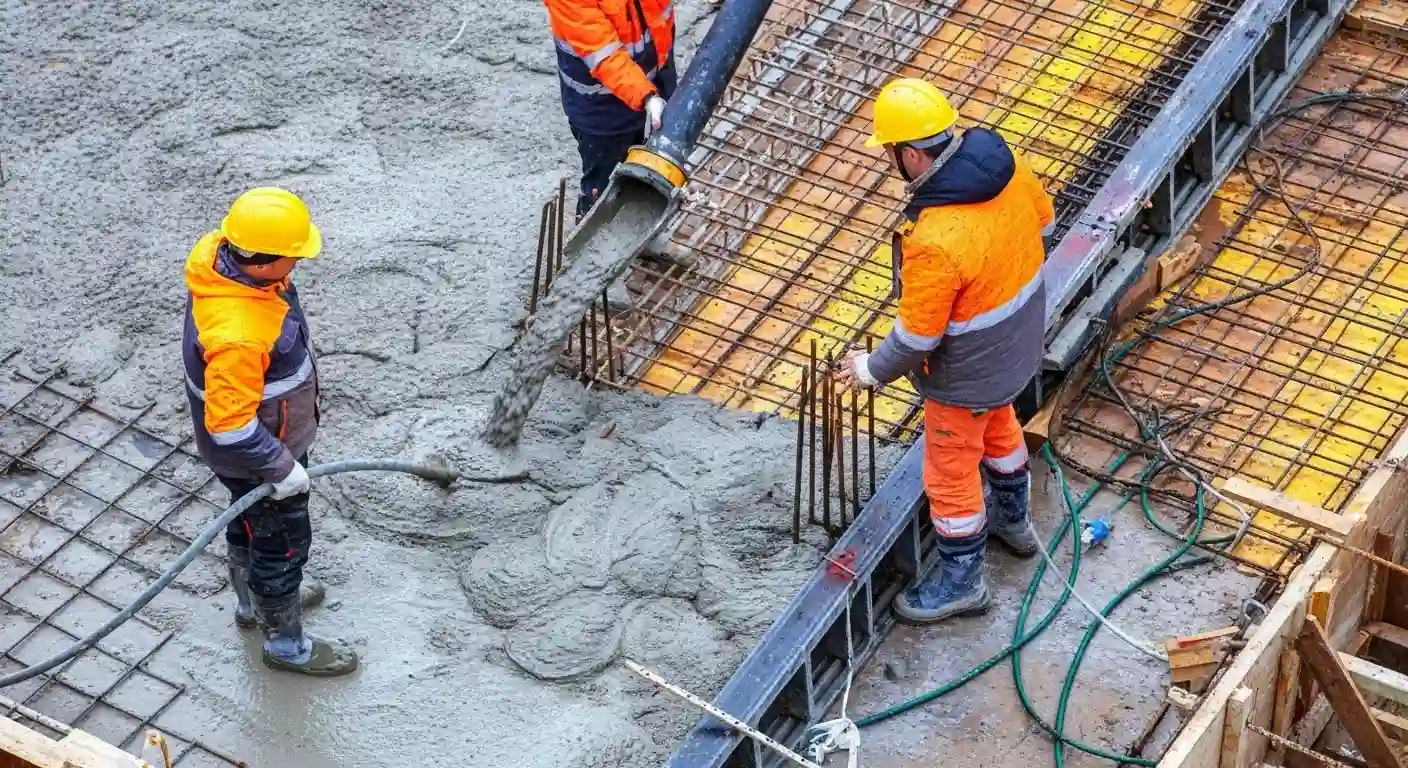
Formwork is one of the most essential parts of modern construction. If you’ve ever seen fresh concrete being poured, you might have noticed wooden or steel moulds holding it in place. Those moulds are called formwork. They give concrete its shape until it hardens and gains enough strength to stand on its own.
At Paramount Estimation, we know how critical formwork is for both the quality and cost of any project. From residential construction estimating to large-scale civil construction estimating, formwork has a direct impact on time, safety, and budgets. This guide explains formwork in simple words—what it is, its types, and why accurate estimating makes all the difference.
What is Formwork in Construction?
Formwork is a temporary or permanent mould into which fresh concrete is poured. It keeps the concrete in the desired shape while it sets and hardens. Without formwork, you wouldn’t be able to create walls, columns, beams, or floors with precision.
Good formwork should be:
- Strong enough to hold the weight of wet concrete
- Stable during placement and curing
- Reusable where possible
- Easy to assemble and remove without damaging the structure
In short, formwork is like the backbone of concrete construction.
Why Formwork Matters
- ccuracy – Proper formwork ensures the structure is built exactly to design.
- Safety – Well-designed formwork prevents accidents during pouring.
- Efficiency – Speeds up the construction process by providing stable moulds.
- Cost control – Saves money by reducing waste and errors.
When our team prepares commercial construction estimating, formwork costs are always a significant part of the budget. Planning them early avoids surprises later.
Types of Formwork
There are many kinds of formwork, depending on the material and purpose.
1. Timber Formwork
Made of wood, timber formwork is easy to cut and shape. It’s widely used in smaller projects like houses. For example, in residential construction estimating, timber formwork is often included because it’s affordable and simple to handle.
2. Plywood Formwork
Plywood sheets attached to timber frames make smooth surfaces. Plywood formwork is popular for walls and slabs where finish matters.
3. Steel Formwork
Durable and reusable, steel formwork is great for larger projects. It costs more upfront but saves money long-term. In civil construction estimating, steel formwork is common for bridges, dams, and tunnels because of its strength.
4. Aluminium Formwork
Lightweight and easy to transport, aluminium formwork is quick to install. Its reuse potential makes it popular in high-rise buildings.
5. Plastic Formwork
Mostly used for small, repetitive projects like housing colonies. Plastic panels snap together easily and are resistant to moisture.
6. Permanent Formwork
Unlike temporary moulds, this type stays in place even after the concrete hardens. It adds extra strength and insulation to the structure.
How Formwork is Used
Formwork can be used in different parts of a building or structure, such as:
- Foundations – The base of every structure starts with formwork.
- Columns and Beams – Vertical and horizontal support systems rely on precise moulds.
- Walls – Large panels form walls in both residential and commercial projects.
- Slabs – Horizontal formwork supports concrete floors and roofs.
Each use comes with unique challenges. For example, in government and military construction estimating, slab formwork is carefully planned to ensure durability and compliance with strict safety standards.
Factors Affecting Formwork Cost
Formwork can be expensive if not estimated correctly. Here are some key factors:
- Material Choice – Timber is cheaper but less durable. Steel is more expensive but reusable.
- Labour Costs – Formwork requires skilled workers to assemble and dismantle safely.
- Project Scale – Larger projects like highways and airports require complex formwork, which raises costs.
- Reuse Cycles – The more times you reuse the same formwork, the lower the cost per use.
- Design Complexity – Curved walls or unique shapes need customized formwork, which increases costs.
That’s why expert estimators play a vital role. At Paramount Estimation, we carefully analyze these factors across different project types—whether it’s commercial construction estimating for office towers or residential construction estimating for single-family homes.
Advantages of Good Formwork
- Saves Time – Faster assembly and removal reduces project timelines.
- Improves Quality – Smooth finishes mean less plastering and polishing later.
- Reusable – Materials like steel and aluminium can be reused hundreds of times.
- Safe Worksite – Stable formwork prevents accidents during pouring.
In civil construction estimating, planners often highlight how choosing better formwork materials may raise initial costs but lower overall project expenses.
Challenges of Formwork
Even with all its advantages, formwork has challenges:
- High Initial Cost – Materials like steel or aluminium are expensive.
- Skilled Labour Needed – Incorrect assembly can lead to collapse.
- Time-Consuming – Setting up and dismantling takes time.
- Storage and Transport – Large formwork pieces need space and proper logistics.
In government and military construction estimating, these challenges are especially important since projects demand high safety and strict budgeting.
The Role of Estimating in Formwork Planning
Formwork is often one of the highest cost components in concrete structures. Without accurate estimating, projects can face budget overruns or delays.
For example:
- In residential construction estimating, formwork determines the budget for foundations and walls.
- In commercial construction estimating, formwork impacts the cost of floors, beams, and high-rise slabs.
- In civil construction estimating, massive amounts of reusable steel formwork are budgeted for bridges or tunnels.
- In government and military construction estimating, formwork planning ensures compliance with strict safety and durability standards.
Accurate estimating is the link between design and execution.
Tips for Efficient Formwork Use
- Plan Early – Include formwork costs in estimates from the beginning.
- Choose Wisely – Pick materials based on project size and type.
- Train Workers – Skilled labour ensures safety and efficiency.
- Reuse Materials – Maximize reuse cycles to save money.
- Invest in Quality – Strong formwork reduces long-term maintenance costs.
Final Thoughts
Formwork may seem temporary, but its impact on construction is permanent. From shaping foundations to supporting massive bridges, it ensures structures are safe, accurate, and efficient. At Paramount Estimation, we know that good formwork planning is not just about building—it’s about building smart.
Whether you’re planning a home through residential construction estimating, developing office towers with commercial construction estimating, working on infrastructure in civil construction estimating, or handling sensitive projects with government and military construction estimating, formwork always plays a central role.
With the right knowledge, planning, and estimating, formwork can save time, reduce costs, and guarantee success in your next project.