
How Do Construction Loans Work in Australia?
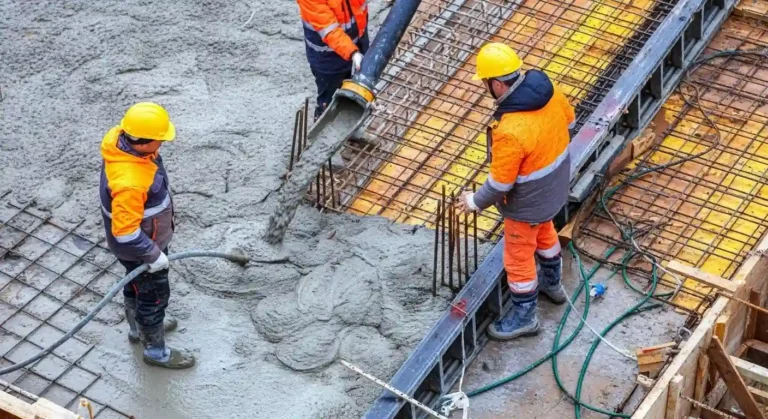
Formwork is one of the most essential parts of modern construction. If you’ve ever seen fresh concrete being poured, you might have noticed wooden or steel moulds holding it in place. Those moulds are called formwork. They give concrete its shape until it hardens and gains enough strength to stand on its own.
At Paramount Estimation, we know how critical formwork is for both the quality and cost of any project. From residential construction estimating to large-scale civil construction estimating, formwork has a direct impact on time, safety, and budgets. This guide explains formwork in simple words—what it is, its types, and why accurate estimating makes all the difference.
What Is a Construction Loan?
A construction loan is a short-term loan used to finance the building of a property. Unlike a regular home loan, where the full amount is released at once, construction loans release funds in stages, known as “progress payments.”
These payments align with the stages of construction, such as laying the foundation, building the frame, or finishing the interior. The lender only releases money when a stage is completed and inspected.
This staged approach reduces risk for both the lender and the borrower while ensuring funds are used for actual construction progress.
Why Are Construction Loans Different From Regular Home Loans?
There are three key differences:
- Progress Payments: Money is released in instalments instead of one lump sum.
- Interest Payments: You only pay interest on the funds already released, not the entire loan.
- Flexibility: Loans are tailored to the specific construction timeline, which can span months or years.
This makes construction loans more flexible but also more detailed. Careful budgeting is essential, and that’s where residential construction estimating and commercial construction estimating services become vital.
How the Stages of Construction Loans Work
Construction loans in Australia usually follow five key stages.
- Stage 1: Deposit / Land Purchase
- Funds are released for buying the land or making an initial deposit.
- Stage 2: Base / Foundation
- Covers excavation, concrete slabs, and plumbing groundwork.
- Stage 3: Frame
- Payments cover the building’s skeleton — walls, trusses, and roofing framework.
- Stage 4: Lockup
- Includes doors, windows, and external walls to secure the building.
- Stage 5: Fit-Out and Completion
- Covers internal fittings, cabinets, painting, and final finishes.
At each stage, the lender inspects Progress before releasing the next payment. This keeps the project on track and ensures funds are properly used.
The Role of Estimating in Construction Loans
Lenders often ask for detailed cost estimates before approving a loan. Without accurate numbers, it’s hard to secure the right loan amount.
That’s where professional estimating helps.
- Residential construction estimating ensures every part of a home build — from framing to fixtures — is accounted for.
- Commercial construction estimating takes into account large-scale costs such as steel structures, electrical systems, and office layouts.
- Civil construction estimating is crucial for infrastructure projects like bridges, tunnels, and roadworks.
- Even niche projects, such as government and military construction estimating, require precise cost breakdowns to secure funding approval.
By providing a clear, itemised budget, estimators give both lenders and borrowers confidence that the project can move forward smoothly.
How Much Can You Borrow for a Construction Loan in Australia?
The amount depends on several factors:
- The value of the land
- The estimated cost of construction
- Your income and ability to repay
- Loan-to-value ratio (LVR) set by the lender
Generally, lenders allow up to 80–90% of the total value of the land and construction combined. For larger projects like commercial or civil works, approval depends heavily on accurate cost forecasting and risk assessment.
Interest and Repayment on Construction Loans
During construction, you usually only pay interest on the amount drawn down at each stage. For example, if only half of the loan is released after the frame stage, you only pay interest on that portion.
Once the project is complete, the construction loan often converts into a standard mortgage or commercial loan, depending on the project type.
This structure makes cash flow management easier, especially for builders and developers who need funds released gradually.
Benefits of Construction Loans
- Cash Flow Control: Borrowers don’t pay interest on funds they haven’t yet used.
- Risk Reduction: Staged payments reduce the risk of overspending.
- Flexibility: Loans are tailored to the project’s timeline.
- Transparency: Inspections ensure work is completed before new funds are released.
When combined with accurate cost projections from residential construction estimating or civil construction estimating, the process becomes even smoother.
Challenges of Construction Loans
- More Paperwork: Lenders require detailed plans, contracts, and budgets.
- Inspections: Each stage must be approved before payment.
- Variable Costs: Rising material and labour costs can affect your budget.
This is why detailed commercial construction estimating or government and military construction estimating helps minimise unexpected expenses.
Tips for Managing a Construction Loan Successfully
- Work with a Professional Estimator: Clear estimates keep lenders confident.
- Choose the Right Builder: Reputable builders with experience in staged payments make the process easier.
- Keep Contingency Funds: Allow a buffer for unexpected costs.
- Stay in Contact with Your Lender: Regular communication prevents delays in payment release.
Track Progress Closely: Visit the site and review reports after each stage.
Final Thoughts
Construction loans in Australia are designed to provide flexibility, security, and structure to building projects. While they require more detail than a standard mortgage, they also offer more control over how and when money is spent.
Accurate cost planning is the backbone of loan approval and project success. Whether you’re working on a new home with residential construction estimating, a large commercial property with commercial construction estimating, or a major infrastructure project with civil construction estimating, the right numbers build lender trust. Even complex projects like government and military construction estimating depend on the same principle: accuracy equals confidence.
With the right estimates and a clear plan, a construction loan becomes less intimidating and more of a powerful tool to turn building dreams into reality.